
Just last week, I watched a potential client scroll nervously past my Google Maps listing, waiting for the map to load. That frustrating delay, that tiny lag—it’s more than just an annoyance. It’s a glaring signal of missed opportunities. In the digital world where seconds matter, a sluggish map load can sabotage your visibility and, ultimately, your business growth.
Why Map Load Speed Could Sabotage Your 2026 Goals
I’ve been there myself—struggling with slow map responses that seemed impossible to fix. My lightbulb moment came after a particularly slow-loading day, realizing that map load lag isn’t just an irritant; it can hurt your rankings, reduce local engagement, and even tarnish your brand’s reputation. Google’s research confirms that 53% of mobile users abandon a site that loads slower than three seconds, which often includes map components—so imagine how this impacts your local SEO and customer conversions.
Is Map Speed Fixing Just a Buzzword or Worth the Hype?
Early on, I made the mistake of thinking minimizing map lag was a technical luxury—something only big brands could afford to fix. I underestimated the power of a few strategic tweaks, and that misjudgment slowed down my progress. Since then, I’ve learned that improving map load speed isn’t just about tech. It’s about adopting proven tactics that deliver real, measurable results. Curious if these tactics hold water? Stick with me, and I’ll show you how to make your maps lightning-fast, boosting your local presence in no time.
Now, let’s dive into the five essential strategies that will help you accelerate your map loading times and secure your spot at the top for 2026 and beyond.
,
Streamline Your Map Embeds for Faster Load Times
The first step I took was auditing how I embedded maps on my website. Instead of loading a full interactive map on every page load, I switched to static images with clickable overlays. This drastically reduced the initial load time. To implement this, I used a service like Google Static Maps API or created custom images showing my location. When visitors clicked, the interactive map loaded on demand, saving precious seconds and improving user experience. You can learn more about this approach in this guide.
Optimize Map Scripts and APIs
Next, I examined the scripts loading the Google Maps API. Merely loading these scripts can slow down your site if not optimized. I deferred their loading until after the main content was visible, using async or defer attributes in script tags. Additionally, I limited the API features to only those essential, removing unnecessary plugins or services. Think of it as trimming a tree—removing all the extra branches to allow the main trunk to grow faster. This step is crucial in enhancing your map speed.
Reduce Server Response and Tackle Loading Delays
A slow server can bottleneck map performance. I switched to a hosting provider with faster server response times and enabled caching for map resources. Using a Content Delivery Network (CDN) spread my map assets closer to visitors, reducing latency. This is akin to giving your data a shortcut through the digital highway. Implementing these measures is vital for improving your map’s responsiveness.
Employ Lazy Loading Techniques
Lazy loading means loading map content only when needed, such as when a user scrolls near the map section. I incorporated JavaScript libraries that detect when a map enters the viewport, triggering its load. This avoids loading all maps upfront, especially on pages with multiple locations. It’s like saving energy by only turning on lights when you enter a room. This tactic significantly boosts performance, detailed in this resource.
Monitor and Adjust for Optimal Performance
Finally, I set up performance monitoring tools. Using browser developer tools and services like Google PageSpeed Insights, I identified lingering bottlenecks. Regular testing allowed me to tweak map scripts and assets further. Think of it as tuning a musical instrument—you don’t get perfect sound on the first try but refine it with each adjustment. Continuous monitoring ensures your maps remain lightning-fast, keeping your local SEO and user experience sharp. For ongoing improvements, visit this detailed guide.
Many professionals believe that simply adding more map features or relying solely on popular map services guarantees better visibility. However, the truth is nuanced: focusing only on superficial improvements can lead you astray. One prevalent myth is that boosting your map presence is just about increasing content or volume—more listings, more pins, more plugins. In my experience, this can backfire if not executed strategically, since Google prioritizes the quality and relevance of your map data over sheer quantity. For example, overloading your map with unnecessary tags or duplicated entries can confuse search algorithms and dilute your local SEO efforts. To truly outperform, you need to understand the subtle signals that affect your map rankings. Want to avoid these traps? Dive into top strategies to enhance your map visibility, and learn how expert techniques can elevate your presence beyond the basics.
How do advanced map optimizations influence your local SEO beyond standard practices?
One advanced nuance many overlook is the importance of schema markup for local businesses. Properly implementing structured data helps search engines better understand your map info, which can lead to improved ranking signals. An often-missed detail is ensuring yourNAP (Name, Address, Phone Number) consistency across all platforms and map listings, as inconsistencies can hurt your credibility and ranking. Additionally, leveraging map services mastery involves fine-tuning these elements to create a seamless, authoritative digital footprint. Remember, the difference between a good map listing and a great one often lies in these subtle details—so don’t fall into the trap of thinking that “more” always equals “better.”
And here’s a cautionary note: avoid neglecting user engagement metrics. Metrics like click-through rates and bounce rates on your map listings can influence your local rankings. Google’s algorithms increasingly consider real user interactions as signals of relevance and trustworthiness. As such, implementing strategies that encourage reviews, photos, and user interactions can make your maps stand out—and these are details that require ongoing, nuanced attention.
So, are you optimizing your map presence with these advanced insights? Or are you stuck in a cycle of superficial fixes? For more expert tips, explore proven map boosters designed to deliver real results. Remember, successful map SEO is about fine-tuning multiple subtle signals—don’t let misconceptions hold you back. Have you ever fallen into this trap? Let me know in the comments.
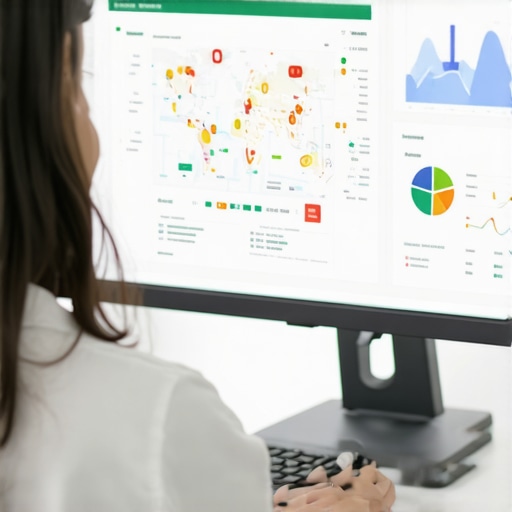
Keep Your Map Performance Steady Over Time
Once you’ve optimized your maps and integrated boosting tools, the real challenge begins: maintaining that performance consistently. It’s tempting to set up your map strategies and forget about them, but local SEO and map service environments are dynamic and require ongoing attention. Regularly monitoring your map load times and presence ensures that your efforts don’t slip due to external changes or technical decay.
How do I maintain my local map presence and speed enhancements effectively?
First, leverage professional tools like Google Search Console and PageSpeed Insights to track your map page performance regularly. These tools provide actionable insights, highlighting new bottlenecks or the impact of recent website modifications. I personally prioritize weekly reviews—checking for any increase in load times or errors—so I can immediately troubleshoot issues before they affect users or rankings. Additionally, setting up automated alerts for performance dips helps me stay ahead in the game.
Another critical aspect is consistently updating your map data. Whether it’s refreshing your NAP details, adding new images, or responding to reviews, active management signals to Google that your business is active and trustworthy. For advanced users, implementing structured data with schema markup can reinforce your listing’s authority. I recommend reviewing your structured data every quarter with tools like Schema App or Google’s Structured Data Testing Tool to ensure accuracy and relevance.
Beyond technical tweaks, always keep an eye on the latest trends and algorithm updates related to maps and local SEO. Subscribe to industry blogs or forums, like this resource, which shares up-to-date tactics and insights. Staying informed allows you to adapt your strategies proactively, rather than reactively.
Preparing for the future of map optimization
As voice search and AI-based local services grow, your map maintenance efforts must evolve. Voice assistants increasingly rely on real-time data accuracy and speed, meaning your map listings need to be hyper-optimized and consistently verified. Incorporating tools like BrightLocal or Whitespark can help track your local rankings across multiple platforms and identify areas needing improvement.
For those serious about long-term results, investing in a comprehensive map management system can save countless hours. Such systems can automate data updates, issue alerts for inconsistencies, and integrate with your existing SEO tools. Remember, consistent oversight and proactive updates are the backbone of successful local mapping strategies. Curious about an advanced approach? Try implementing map booster tools that automatically refresh your listings and improve visibility over time. Doing so ensures your digital presence remains robust, reliable, and ready for the future.
Lessons the Map Algorithms Won’t Tell You
- My biggest lightbulb moment was realizing that slow map load times are a silent killer of local rankings. You can ramp up your visibility without adding more pins or listings—just by making your maps faster and more efficient. This shift transformed my approach from superficial tweaks to strategic core improvements.
- One insight I wish I had earlier: structured data isn’t just a fancy add-on. Implementing precise schema markup for your business helps search engines understand and prioritize your map presence authentically. This subtle signal can give you an edge over competitors stuck with generic listings.
- I’ve learned that continuous monitoring trumps one-time fixes. Keeping an eye on map performance metrics allows you to catch and address issues before they chip away at your rankings. It’s about creating a maintenance rutine that sustains your growth rather than reactive fixes after decline.
- Understanding the user engagement aspect—reviews, clicks, and interaction—is vital. Enhancing these signals through active engagement not only pleases customers but also sends positive trust signals to Google, reinforcing your map’s authority in the local ecosystem.
Strategic Playbook for Map Mastery
- My go-to resource has become [this guide](https://localmapboosters.com/maps-speed-improvement-how-to-accelerate-your-map-presence-fast). It covers the nuts and bolts I wish I knew when I started, especially how to reduce load times without sacrificing map quality.
- For fine-tuning local SEO with map enhancements, [this toolkit](https://localmapboosters.com/enhance-maps-speed-business-presence-for-better-rankings) offers proven methods that integrate seamlessly with existing strategies. It’s trusted because it’s backed by real-world results.
- Using performance tools like Google PageSpeed Insights and Schema Markup testing has become a habit. Regular audits help me stay ahead of bottlenecks and keep my map listings primed for the latest algorithm updates.
- And of course, for a broader perspective on boosting your local search presence—including maps—I rely on [this comprehensive resource](https://localmapboosters.com/boost-maps-visibility-top-strategies-to-grow-your-business). It’s helped me stay aligned with industry best practices for sustained growth.
Your Next Chapter in Local Map Success
Don’t wait for your competitors to leave you behind. The road to dominating local search in 2026 is paved with proactive, strategic actions around map load speed and data accuracy. Embrace continuous improvement, leverage the right tools, and stay informed about industry shifts. Your ability to adapt quickly will set you apart in the increasingly crowded local landscape.
Remember, every small tweak can lead to a significant boost in visibility and engagement. Are you ready to elevate your maps and claim your spot at the top? Let me know your biggest challenge below—I’m here to help!