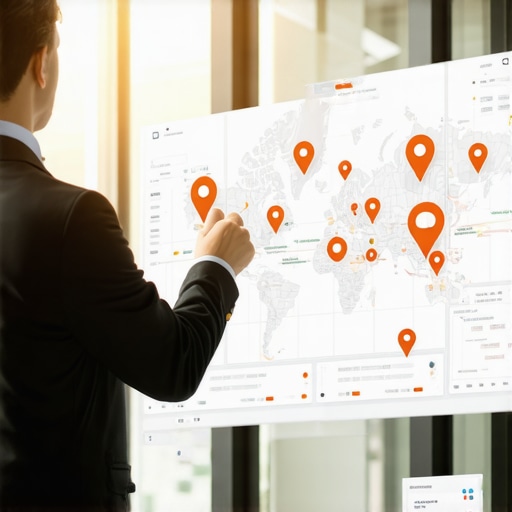
Have you ever felt that sinking feeling when potential customers pass right by your storefront, oblivious to your existence? I remember the frustration vividly—spending hours perfecting my website, investing in advertising, only to realize that most local searches still led customers straight to competitors. That lightbulb moment hit me hard: if my business isn’t visible on Google Maps, it’s practically invisible to my community.
Why Your Map Presence Could Make or Break Your Local Business
In today’s hyper-connected world, your online presence is often the first impression customers get of your business. According to a recent study, over 70% of local searches lead to an in-store visit within 24 hours. But here’s the kicker—if your business isn’t properly optimized on Google Maps and local directories, you’re missing out on a significant chunk of this traffic. I learned this the hard way, making the mistake of ignoring my map listing early on, which cost me valuable customers and revenue.
Question: Is Map Optimization Really That Critical for My Business?
Initially, I thought focusing solely on my website was enough. But neglecting my Google Maps listing was a costly mistake. When I finally invested time into boosting my map presence, I saw a dramatic increase in local inquiries and foot traffic. If you’re skeptical, you’re not alone. Many small business owners underestimate the power of a well-optimized map listing. The good news? It’s easier than you think to turn things around. For step-by-step guidance, check out this comprehensive guide.
So, if you’ve faced the challenge of standing out in your local area, you’re in the right place. Today, I’ll share proven strategies that helped me transform my online visibility and attract more local customers. Ready to learn how to boost your map presence and grow your business? Let’s dive in!
Claim and Verify Your Google My Business Listing
The first step is claiming your Google My Business (GMB) listing if you haven’t already. Think of this like unlocking your storefront’s digital door. Go to Google My Business and follow the prompts to verify your ownership—this might involve receiving a postcard, phone call, or email. I remember initially skipping this step, which meant my business was listed but not fully controllable. Once I verified my listing, I gained the ability to update details, add photos, and respond to reviews, which significantly improved my local visibility.
Optimize Your Business Information for Search Engines
Use Clear, Keyword-Rich Business Details
Fill out every section meticulously: business name, address, phone number, website, hours, and categories. For example, instead of just ‘Coffee Shop,’ use ‘Downtown Artisanal Coffee Shop & Bakery.’ Incorporate local keywords naturally into your description. This helps Google understand exactly what you do and where you do it. I learned this by analyzing competitors’ profiles—those who used specific keywords ranked higher. To deepen your understanding, explore proven methods to optimize your map listings.
Enhance Your Photos and Visual Content
Upload high-quality, engaging photos showing your products, storefront, and team. Visuals are like the storefront window — they attract passersby and invite clicks. I revamped my photo gallery, adding images from different angles and times of day. Within weeks, my profile received more clicks and direction requests. Remember, Google favors listings with complete, attractive visuals, so update regularly.
Gather and Manage Customer Reviews
Encourage satisfied customers to leave reviews. Reviews are social proof, akin to word-of-mouth in the digital age. I personally asked a few happy clients after their sessions, providing simple instructions on how to leave a review. Respond promptly and professionally—thank positive reviewers and address negative feedback calmly. This interaction boosts your credibility and improves your ranking. For effective strategies, visit this resource.
Build Local Citations and Consistent NAP Data
Ensure your Name, Address, Phone Number (NAP) are consistent across all online platforms—your website, directories, social media. Inconsistent info confuses Google and hurts your ranking. I used a tool to audit my listings and corrected mismatches. Additionally, submit your business info to local directories like Yelp, Bing Places, and industry-specific sites. This boosts your authority and visibility. For detailed citation strategies, check top strategies here.
Leverage Local SEO Techniques
Optimize your website for local SEO—use location-based keywords in titles, headers, and meta descriptions. Embed a Google Map on your site and include your NAP details. Also, create localized content like blog posts about local events or partnerships. This signals to Google that your business is a key player in the community. To accelerate results, explore map speed improvements.
Monitor Performance and Adjust Strategies
Use Google My Business Insights and third-party tools to track views, searches, and customer actions. Regularly review this data to identify what’s working and where to improve. I found that tweaking my keywords and updating photos monthly kept my profile fresh and engaging. Continual optimization is key to staying ahead in local searches. For advanced techniques, visit mastering map services.
While many small business owners focus on the basics of claiming and optimizing their Google My Business (GMB) listing, there are several misconceptions that can hinder true local SEO success. Let’s dig deeper into what most people get wrong about map optimization and reveal some advanced insights that can give you a competitive edge.
Myth: More Keywords in Your Business Description Always Means Better Visibility
Many believe stuffing keywords into their business description will boost rankings. However, Google values natural language and user experience over keyword density. Over-optimization can even lead to penalties or reduced visibility. Instead, focus on creating a clear, compelling description that naturally incorporates relevant local keywords, as recommended by SEO experts. For more detailed guidance, explore these proven methods.
The Oops Factor: Ignoring the Power of Customer Engagement and Reviews
One common trap is underestimating the impact of reviews and engagement. While many think reviews are just social proof, they actually influence your local ranking significantly. Responding thoughtfully to reviews signals active management and improves trust, but neglecting this can lead to missed opportunities. Moreover, encouraging reviews without violating Google’s policies is crucial. For advanced strategies, check this resource.
Question: How Can I Leverage Advanced Map Features to Outrank Competitors?
Beyond basic optimization, savvy users harness Google Maps’ advanced features like adding custom attributes, utilizing Q&A sections, and leveraging Google Posts to engage users. These tools not only provide additional signals to Google but also enhance user experience, making your listing more attractive. Integrating localized content, such as event updates or special offers, can boost your visibility further. For comprehensive tactics, consider mastering map services.
Remember, effective map optimization isn’t just about ticking boxes; it’s about understanding how Google perceives relevance and engagement. Avoid these common pitfalls, leverage advanced features, and continuously monitor your performance. Have you ever fallen into this trap? Let me know in the comments.
Keeping Your Map Optimization in Top Shape: Tools and Techniques
Once you’ve established a strong presence on Google Maps and local directories, maintaining that momentum requires the right tools and consistent effort. Personally, I rely on a combination of analytics software, listing management tools, and routine check-ins to ensure my local SEO stays sharp. These tools not only help me track performance but also streamline updates and respond promptly to customer feedback.
How do I maintain my local map optimization over time?
One of my go-to tools is a dedicated map listing enhancement platform. It automates regular audits of my citations, checks for inconsistent NAP data, and suggests optimizations based on current trends. This proactive approach prevents outdated information from hurting my rankings and keeps my listing optimized.
For analytics, I use Google My Business Insights combined with third-party tools like BrightLocal or Whitespark. These platforms help me monitor how many people are searching for my keywords, clicking on my profile, or requesting directions. Regularly reviewing this data allows me to adjust my strategy dynamically and focus on the most impactful areas.
The importance of routine content updates and visual refreshes
Another key to long-term success is consistent content updates. I schedule monthly photo refreshes and post local updates or promotions via Google Posts. This not only signals activity to Google but also keeps my profile engaging for potential customers. A simple way to do this is by setting reminders in your calendar or using social media management tools that support scheduling posts directly to Google My Business.
Prediction: Where is local map optimization headed?
Looking ahead, I believe the integration of AI-driven insights and real-time customer engagement metrics will become crucial. Tools that leverage machine learning to predict trending keywords or identify emerging local needs will help businesses stay ahead of competitors. Moreover, voice search optimization for local queries will grow in importance, requiring businesses to adapt their profiles accordingly.
Start by trying out a comprehensive audit tool like the one I mentioned earlier to identify quick wins and long-term improvements. Staying proactive with your map management not only secures your current position but also prepares you for future developments in local SEO. For more advanced strategies, explore mastering map services.
The Hardest Lesson I Learned About Map Optimization
One of my most surprising realizations was that obsessing over keywords without genuine engagement can backfire. I spent hours stuffing keywords into my profile, thinking it would automatically boost my visibility. Instead, I learned that authentic customer interaction and reviews hold much more weight with Google’s algorithm.
3 Myths About Local Map SEO That Held Me Back
I used to believe that claiming my listing was enough. But the truth is, without regular updates, quality photos, and active review management, your profile can stagnate. Overcoming these misconceptions was a game-changer for my local presence.
What Experts Won’t Tell You About Staying Ahead in Map Rankings
Many overlook the power of leveraging Google’s advanced features like Q&A and Google Posts. These tools can significantly enhance your profile’s appeal and relevance, giving you an edge over competitors who stick to basic optimization.
My Essential Toolkit for Boosting Your Google Maps Presence
For me, using tools like Whitespark and BrightLocal has been invaluable. They help monitor citation consistency and track local search performance, ensuring I stay ahead of local SEO trends and quickly address any issues that might arise.
Your Turn to Try
Implementing these personalized insights into your map optimization strategy can transform your local visibility and business growth. Remember, the journey to the top is ongoing and requires consistent effort and adaptation. Are you ready to take your Google Maps presence to the next level? Share your thoughts or questions below, and let’s grow together!
One Comment
Reading this post really resonated with me, especially the part about how critical it is to claim and verify your Google My Business listing. I once overlooked this step for my local bakery, thinking that just having a website was enough. But after I finally claimed and optimized my GMB profile, I noticed a real boost in foot traffic and online inquiries. It’s fascinating how much visibility you can gain just by properly managing your local listings. One challenge I faced early on was ensuring my NAP consistency across all directories. It’s easy to miss discrepancies, but I found that auditing and updating these details regularly made a big difference in my rankings.
I’d love to hear from others—what tools or strategies have you used to keep your citations consistent and up-to-date? Do you have any personal tips for managing reviews proactively without it becoming too time-consuming? Sharing these insights can help us all improve our local visibility and attract more customers.